Character education helps children build the values and habits they rely on throughout life. It teaches honesty, responsibility, respect, and self-discipline through daily experiences at home and school. These qualities shape how children make decisions, build relationships, and respond to challenges. Understanding why character education is important helps parents recognize that long-term success depends on more than academic achievement.
Every parent wants their child to succeed, but grades alone do not guarantee a happy life. The question of why character education is important arises because children need more than academic knowledge to thrive. Good character shapes how children treat others and handle problems, and this foundation affects every part of their lives.
At The Charter School of Excellence, we build this foundation through every lesson and interaction. Our approach to family resources supports parents in this important work.
Our students practice honesty, kindness, and hard work from the first day of school. We create an environment where good character grows naturally through daily routines and meaningful activities. Our campus life reflects these values in every classroom and hallway.
Children build their identity through the choices they make every day. Telling the truth, keeping promises, and taking responsibility help them develop confidence based on their actions rather than praise alone. Each positive decision reinforces the belief that they are trustworthy and capable of doing the right thing.
Children with strong character are less likely to depend on approval from others to feel confident. They understand that kindness, persistence, and responsibility reflect who they are. This mindset helps them resist peer pressure, recover from setbacks, and make thoughtful decisions even in difficult situations.
Healthy friendships depend on trust, respect, and empathy. Children who develop these qualities communicate more effectively, resolve disagreements calmly, and treat others fairly. They become dependable friends because they listen, cooperate, and keep their commitments.
Character education also improves the overall school environment. Students learn to solve conflicts without insults or aggression. They understand the value of apologizing when they make mistakes and forgiving others when conflicts happen. These habits create stronger friendships and more positive classrooms.
Character development strengthens many of the habits that contribute to academic success. Self-discipline helps students stay focused, complete assignments, and manage their time effectively. Responsibility encourages them to prepare for class and take ownership of their work, while honesty reinforces academic integrity.
Students with strong character also participate more confidently in class. They ask questions, respect different opinions, and continue working through difficult subjects instead of giving up. These habits create consistent progress and stronger learning outcomes over time.
Children make decisions every day, from choosing friends to responding to difficult situations. Character education gives them a clear set of values that helps them evaluate their choices before acting. They become more likely to consider honesty, fairness, and responsibility instead of reacting impulsively.
Good decision-making develops through repeated practice. Children benefit from discussing real situations with trusted adults and seeing positive examples around them. Schools that emphasize character create opportunities for students to reflect on their actions and understand how their choices affect others.
Success in the workplace depends on much more than technical ability or academic qualifications. Employers look for people who can be trusted, work well with others, communicate professionally, and take responsibility for their actions. Integrity, reliability, teamwork, and accountability often influence hiring decisions, promotions, and long-term career growth because these qualities contribute to a productive and respectful work environment.
Character education helps children develop these workplace habits long before they enter the workforce. Learning to keep commitments, respect different perspectives, solve problems responsibly, and admit mistakes builds skills they will use throughout their careers.
These qualities remain valuable across every profession and industry. This makes this another clear example of why character education is important for lifelong personal and professional success.
Strong family relationships are built on shared values, mutual respect, and honest communication. Parents who emphasize character help create a home where children understand the importance of responsibility, kindness, and accountability.
As children practice these values in everyday situations, they develop stronger relationships with siblings, parents, and other family members. These positive habits encourage trust and create a more supportive home environment.
Character education also creates consistency between home and school. When teachers reinforce the same values that parents encourage, children receive clear expectations about how to treat others and make responsible decisions.
This partnership helps children apply positive behaviors in different settings. Therefore, character development is a natural part of everyday life while strengthening family relationships over the long term.
Character education improves academic success by teaching self-discipline, responsibility, and perseverance. These skills help children focus, complete work, and overcome learning challenges more effectively.
Parents should begin teaching character from the earliest years of childhood. Young children absorb lessons about honesty, kindness, and respect through daily interactions with family.
Character education prevents bullying by teaching children to respect others and stand up against cruelty. Students learn empathy and courage, which reduces bullying incidents significantly.
Your child deserves an education that builds both mind and character for lasting success. At The Charter School of Excellence, we create scholars who lead with integrity and achieve their dreams. Our public charter school offers free transportation, extended care, and a bully-free environment for every student.
We believe every child can become a leader through our advanced curriculum and character education programs. Contact us today to learn how your child can join our community of learners. Your child's future begins here at The Charter School of Excellence, a charter school in Florida that builds scholars and creates leaders.

Recognizing student success builds confidence, strengthens motivation, and encourages children to continue learning. Celebrating effort alongside achievement teaches students that consistent hard work leads to meaningful progress. Understanding the importance of celebrating student success helps parents and educators create an environment where children feel valued for their growth, not just their grades. Positive recognition also strengthens classroom relationships and inspires students to set higher goals.
A simple word of praise can change a child's entire day and their outlook on school.
Recognizing hard work shows students that their effort matters more than the final score, which is a core part of the importance of celebrating student success. Parents can find helpful tools to support this at home through our family resources, which offer easy ways to encourage daily learning.
At The Charter School of Excellence, we place this recognition at the heart of our teaching. We see the magic that happens when a student feels proud of their work. Our approach builds a culture of achievement that supports every learner from the first day.
See how our campus life fosters this positive atmosphere for all students.
Positive recognition motivates students to keep challenging themselves.
When teachers or parents acknowledge a child's effort, improvement, or achievement, students begin to connect hard work with positive outcomes. That sense of accomplishment encourages them to approach future assignments with greater confidence and determination instead of focusing only on grades.
Over time, external encouragement develops into internal motivation. Students begin setting personal goals because they value learning and enjoy seeing their own progress. This lasting motivation demonstrates the importance of celebrating student success beyond a single assignment or school year.
Every accomplishment, no matter how small, contributes to a student's long-term growth. Completing a challenging assignment, improving a reading score, mastering a new math concept, or participating more confidently in class gives students clear evidence that consistent effort leads to measurable progress.
These everyday victories build confidence, strengthen resilience, and encourage children to keep working toward larger academic and personal goals with a positive attitude.
Recognizing these milestones also teaches students that success rarely happens all at once. Significant achievements develop through steady improvement, persistence, repeated practice, and a willingness to keep learning from mistakes.
Schools become stronger communities when student accomplishments are recognized and celebrated. Students feel encouraged when classmates' hard work, improvement, positive behavior, and personal growth receive meaningful recognition. Celebrating different types of success reminds students that every individual's progress matters, regardless of their starting point or academic ability.
This creates a welcoming atmosphere where success inspires others instead of creating unnecessary competition. Students become more willing to encourage one another, celebrate shared accomplishments, and contribute positively to the classroom environment.
Recognizing achievements also strengthens relationships throughout the school. Students, teachers, and families become more connected through shared moments of pride and encouragement.
A culture that values progress helps every child feel included, respected, motivated, and confident enough to continue learning while contributing positively to the entire school community.
Confidence developed through academic success often extends well beyond the classroom. Students who believe in their abilities become more willing to participate in discussions, try new activities, and pursue leadership opportunities. Positive classroom experiences encourage children to approach unfamiliar situations with greater confidence.
As confidence grows, students become more resilient when facing challenges in school and everyday life. They are more willing to solve problems independently, communicate with others, and recover from setbacks.
Recognition has the greatest impact when it includes clear, specific feedback.
Instead of simply saying "good job," teachers can explain exactly what the student did well, such as organizing ideas clearly, solving a difficult problem, or showing persistence during a challenging task. This detailed guidance helps students understand which behaviors lead to success.
Constructive recognition also gives students practical direction for future improvement. They learn which skills to continue developing while gaining confidence in their ability to grow. The importance of celebrating student success becomes even greater when praise includes meaningful feedback that encourages continuous learning.
Parental Involvement Amplifies the Message of Success
When parents join the school in praising their child, the message of their worth becomes twice as powerful. A simple note home or a phone call about a good grade can change the atmosphere at the dinner table.
Parents who engage with their child’s achievements foster a stronger bond and a respect for education. This partnership between home and school creates an environment where children feel completely supported.
Praise students daily for specific actions rather than general behavior. Frequent recognition of small efforts keeps motivation high. This regular feedback helps students stay focused.
Celebrate the hard work even when the results are disappointing. Praise the effort and discuss what can be learned for next time. This approach teaches resilience.
Insincere or general praise can reduce its positive power for children. Teachers should focus on specific, earned comments rather than empty compliments. Meaningful praise is always better.
Take the first step toward a brighter educational path for your child today. At The Charter School of Excellence, we celebrate every step of your child's growth and learning journey. We invite you to join our public charter school where achievement is seen and praised every single day.
Our caring teachers know how to find the good in every student. We offer a safe place for your child to learn, grow, and feel proud. We believe every student deserves to feel successful.
Consider our charter school in Florida and schedule a visit to see our classrooms and meet our team.
.jpg)
Motivating students starts with making learning meaningful and engaging. Children stay interested when lessons connect to their everyday lives, include hands-on experiences, and encourage curiosity. Giving students choices, celebrating progress, and creating a classroom where questions and mistakes are welcomed helps build lasting confidence. Understanding “How can you motivate students?” begins with creating an environment where learning feels valuable, enjoyable, and rewarding.
Every child begins with a natural curiosity about the world, but that enthusiasm can fade when learning feels repetitive or disconnected from real life.
“How can you motivate students?” The answer starts with understanding their interests, encouraging active participation, and creating a classroom where students feel comfortable asking questions and taking risks.
When students see purpose in their work, motivation grows. To support this journey, we suggest you check out our family resources for extra help at home.
At The Charter School of Excellence, we build this culture every day. We believe that passion for learning comes from a caring community. Our teachers work hard to make each lesson meaningful, so students want to participate. We invite you to see our vibrant campus life in action.
Recognizing effort instead of natural talent helps children develop a healthier attitude toward learning.
Saying "you worked hard" instead of "you are smart" teaches students that success comes from persistence and dedication. They begin to understand that challenges are part of the learning process rather than evidence that they cannot succeed. This perspective builds resilience and encourages children to take on more difficult tasks with confidence.
Focusing on effort also helps students see mistakes as opportunities to improve instead of reasons to give up. They learn that abilities grow through practice, patience, and consistent effort. Teachers and parents play an important role by recognizing progress, determination, and problem-solving rather than only celebrating high grades. Over time, this approach builds confident learners who are willing to face new challenges.
Learning becomes more engaging when students work together toward shared goals. Group discussions, collaborative projects, and classroom activities encourage children to exchange ideas, solve problems, and learn from different perspectives.
Working with classmates also strengthens communication skills and creates a stronger sense of belonging within the classroom community.
Collaborative learning benefits every student involved. Children often explain ideas in ways that make difficult concepts easier for classmates to understand. Teaching others also strengthens the understanding of the student sharing the information.
Instead of focusing only on individual achievement, students learn that cooperation and shared success are valuable parts of education.
Students become more motivated when they understand how today's lessons connect to tomorrow's opportunities.
Many children already have dreams about future careers or personal goals. Showing how subjects like math, science, reading, and writing relate to those ambitions gives classroom learning greater purpose. A future engineer, artist, teacher, or entrepreneur all rely on skills developed throughout school.
Teachers can strengthen these connections by inviting guest speakers, sharing real-life examples, or discussing how different careers use classroom knowledge every day. Parents can reinforce the message by explaining how reading, communication, and problem-solving help them in their own work. These conversations remind students that education prepares them for future success instead of simply helping them complete assignments.
Students stay engaged when learning experiences change regularly. While routines create structure, introducing different teaching methods keeps students interested and curious.
Videos, classroom discussions, educational games, guest speakers, outdoor activities, and interactive projects bring new energy to lessons. Each change in format encourages students to stay focused and actively participate.
Using different learning activities also helps address a wide range of learning preferences. Some students excel during hands-on experiments, while others perform better through independent reading or creative projects. Rotating between teaching methods gives every child opportunities to learn in ways that match their strengths while continuing to develop new skills.
One of the strongest forms of motivation comes from the satisfaction of mastering a new skill. Students who experience steady progress become motivated by their own achievements rather than external rewards. Teachers can build this confidence by dividing complex concepts into manageable steps, giving students opportunities to experience success throughout the learning process.
Giving students opportunities to revise assignments or retake assessments reinforces the idea that learning continues beyond a single grade. Instead of viewing mistakes as permanent failures, students recognize that improvement comes through practice and reflection.
This growing confidence encourages them to tackle increasingly difficult challenges. It also demonstrates “How can you motivate students?” through meaningful progress instead of relying only on rewards.
Students learn more effectively when mistakes are treated as valuable parts of the learning process rather than something to fear.
Teachers who openly discuss their own mistakes help normalize setbacks and create a classroom where students feel comfortable trying new ideas. This positive environment encourages participation because students understand that mistakes are expected while learning.
Discussing errors helps students strengthen critical thinking and problem-solving skills. Instead of focusing only on the incorrect answer, they learn to examine what happened and identify better approaches. This reflection builds persistence, confidence, and independence. Students who view mistakes as opportunities continue asking questions, exploring new ideas, and developing stronger learning habits throughout their education.
If your child only learns for stickers or treats, it is important to slowly shift the focus. Start by praising the effort they made to earn the reward. Talk about how good it feels inside to solve a problem all by themselves. Over time, they will begin to value the feeling of learning itself.
A safe classroom is essential because fear shuts down the learning part of the brain. When students are not afraid to be wrong, they take more risks and ask more questions. This leads to deeper learning and a more active classroom culture. Safety creates the freedom needed for true intellectual exploration.
The easiest way is to show genuine interest in what your child is learning at school. Ask them open-ended questions about their day and their lessons. Read the same book they are reading and have a conversation about it. This involvement sends a clear message that their education is valuable.
Your child is capable of incredible things when they find the right environment. At The Charter School of Excellence, we build that environment every single day through passion and care.
We invite you to visit our public charter school and see the excitement for yourself. We offer a unique combination of extended care, strong academics, and a safe campus as a premier charter school in Florida. This is more than just a school; it is a community where your child's future begins right now. Join us today.
Character education helps students develop the values and habits they need to make thoughtful decisions throughout life. The most effective activities for character education encourage students to practice respect, empathy, responsibility, and integrity through meaningful experiences. Service projects, storytelling, role-playing, reflection, and daily classroom routines help students turn positive values into everyday behaviors at school and at home.
Charter schools offer a unique chance to shape student character alongside academic skills. Building a respectful community takes more than good rules; it needs daily practice.
Effective activities for character education help students grow into kind and responsible people. These habits also strengthen the connection between school and home. We encourage families to explore our family resources to support this important work at home.
The Charter School of Excellence builds character through every interaction. Our approach combines clear values with hands-on learning. We believe a strong character is the foundation for a successful future.
We focus on creating a safe and nurturing environment where every student can thrive. Our commitment to character helps students become leaders, both in school and in life. Check out our vibrant campus life to see our community in action.
Community service gives students meaningful opportunities to practice responsibility while helping others. Service-learning projects connect classroom learning with real community needs, helping students understand how their actions make a positive difference. Activities such as organizing food drives, cleaning local parks, or collecting supplies for families encourage compassion and civic responsibility.
Students also develop teamwork, communication, and problem-solving skills while participating in community service. These experiences help them recognize that even small actions can positively impact others. This makes service-learning one of the most meaningful activities for character education.
Stories help students explore honesty, courage, kindness, and perseverance in ways they can easily understand. Teachers select books where characters face difficult decisions and discuss the choices they make throughout the story. Students analyze the consequences of different actions and consider how they would respond in similar situations.
These classroom conversations encourage thoughtful discussion without placing students in uncomfortable situations.
A character passport gives students a personal space to document their growth over time. Children record moments when they demonstrated responsibility, kindness, perseverance, or honesty through writing, drawing, or personal reflections. They can also set goals for improving specific character traits throughout the school year.
Regular reflection helps students recognize their own progress instead of focusing only on academic performance.
Gratitude encourages students to recognize positive experiences and appreciate the people around them.
Keeping a gratitude journal helps children reflect on meaningful moments throughout the week, while writing thank-you letters teaches them to express appreciation to classmates, teachers, staff, or family members.
Simple habits like these strengthen positive relationships throughout the school community.
Empathy grows when students practice seeing situations from another person's perspective. Teachers can encourage this through activities where students imagine themselves as historical figures, fictional characters, or individuals facing unfamiliar challenges.
Thinking from another viewpoint helps children understand different emotions, experiences, and motivations.
These discussions encourage compassion and reduce misunderstandings among classmates.
Daily advisory periods create dedicated time for students to strengthen emotional awareness and interpersonal skills.
Teachers guide conversations about managing emotions, solving conflicts, setting goals, and building healthy friendships. Short reflection activities also help students develop self-awareness before academic instruction begins.
Consistent opportunities to discuss emotions and relationships help students feel connected to their classmates and teachers.
Every student deserves to learn in a school where they feel respected and safe.
School-wide anti-bullying initiatives teach students how to recognize harmful behavior, respond appropriately, and stand up for others with confidence and respect. They also learn the importance of reporting concerns to trusted adults.
Morning meetings help students begin each day with a positive mindset and a stronger sense of community.
Greeting one another, sharing experiences, and discussing a daily character strength create consistency while encouraging respectful communication. Students start the day feeling welcomed and connected.
Highlighting a specific character trait each morning also gives students a practical goal they can practice throughout the day. Over time, these routines help positive behaviors become everyday habits.
Peer mentoring gives older students opportunities to guide younger classmates while developing leadership skills. Buddy programs pair students from different grade levels for reading activities, classroom projects, or school events.
Younger students gain confidence through positive relationships, while older students strengthen responsibility and communication.
These partnerships create meaningful connections throughout the school community. Students learn that leadership includes encouraging others.
Role-playing gives students practical experience resolving disagreements before real conflicts occur. Teachers present everyday situations, and students work together to practice listening, communicating respectfully, and finding fair solutions.
Practicing conflict resolution repeatedly helps students respond more thoughtfully during real situations. They become better prepared to manage disagreements calmly while respecting different perspectives.
School assemblies create meaningful opportunities to recognize students who demonstrate positive character. Teachers and school leaders celebrate acts of kindness, responsibility, perseverance, and leadership through awards, student presentations, or short stories that highlight positive examples from the school community.
Public recognition reinforces the importance of good character while inspiring other students to develop similar habits.
Teachers can connect character to any subject like history or science. A history lesson can discuss whether a leader acted with integrity. A science project can be a chance to talk about working as a team. This method shows students that character is part of every part of life.
Character education works best when the school and family work together. We send home a letter each week with a new virtue to practice. The letter might include a story to read or a question to discuss at dinner. This helps families reinforce the same values we teach at school.
Students build confidence by becoming school ambassadors. They might lead tours for new families or help at school events. These students practice public speaking and responsibility. This program gives students a real chance to lead and represent their school.
FAQs
We embed character education into every part of the school day through morning meetings, advisory time, and academic lessons. This consistent practice helps students internalize core values like respect and responsibility.
Service-learning projects teach students empathy and social responsibility. They connect classroom learning to real-world problems. These projects show students that they can have a positive impact on their community.
A peer mentoring program pairs older students with younger ones for guidance. This builds a supportive school culture and helps younger students feel safe. It also helps older students develop leadership and responsibility.
Let us show you how a public charter school can build a strong future for your child. We offer a safe, bully-free campus where every student learns to lead. Our dedicated teachers use proven methods to develop character and academic success.
We provide free before- and after-care, transportation, and a nurturing environment. Become part of a community that prepares students for high school and beyond. Learn why we are a top charter school in Florida and schedule a tour of our campus today. Your child's journey to leadership starts with us.
Young children learn best through play and active engagement with the world around them. Specific activities for cognitive development in early childhood build a foundation for logic, memory, and concentration.
Teachers often suggest the best preschool programs for cognitive development to help toddlers master these vital milestones. These early lessons shape how a child thinks and learns forever.
At The Charter School of Excellence, we offer the best charter school in Florida for families who want a culture of learning. Our team maintains a safe and secure campus where every student receives a laptop. We use a nurturing environment to help children reach their full potential through an advanced and rigorous curriculum.
Children naturally enjoy sorting objects by color, size, shape, or type during play.
These activities help them recognize similarities and differences while strengthening early classification skills. As they group items independently, they begin to develop confidence in their decision-making abilities.
Through repetition, children learn to identify patterns and organize information in meaningful ways. This strengthens logical reasoning as they determine where each object belongs within a set. Over time, these simple exercises help the brain process information more efficiently and accurately.
Memory card games require children to remember images and match pairs, which actively strengthens visual memory, concentration, and attention control. Holding an image in mind while searching for its match improves short-term recall, focus, and cognitive processing speed.
As children play consistently, they become more focused, observant, and detail-oriented. They begin to track card positions more strategically and recall where specific images are located over time. This repeated mental exercise strengthens neural pathways linked to memory retention.
It also supports classroom learning by improving their ability to retain, organize, and retrieve information more effectively across subjects such as reading, math, and science. Regular engagement with this type of play also builds patience and sustained attention, both essential for academic success.
Pretend play encourages children to create stories, assign roles, and act out real-world or imaginative scenarios. This process requires planning, sequencing events, and adjusting actions as situations evolve, which makes it a strong form of cognitive training. It is one of the most effective activities for cognitive development in early childhood because it blends creativity with structured thinking and decision-making.
Children often use everyday objects in imaginative ways, transforming simple items into symbolic tools, characters, or props. This helps them understand that objects can represent different meanings depending on context, which strengthens abstract thinking.
Through role-play, children also practice negotiation, communication, and early social problem-solving. These interactions build language skills, emotional awareness, and the ability to cooperate with others while thinking flexibly in changing scenarios.
Building with blocks introduces children to balance, structure, and gravity. As they stack and adjust pieces, they observe how different actions affect the stability of their creation. Towers may stand or collapse, teaching clear cause-and-effect relationships.
This hands-on learning experience also supports early scientific thinking. Children begin to experiment with placement and structure to improve stability. Each attempt builds persistence and encourages problem-solving through trial and observation.
Identifying shapes and colors helps children categorize objects based on visual characteristics. They learn to distinguish differences in edges, patterns, and hues, which strengthens observational skills.
Placing shapes into matching slots requires precision and attention to detail. This improves cognitive processing and prepares children for more complex concepts in math and reading.
Puzzles encourage children to visualize how pieces fit together to form a complete image. They must rotate, test, and reposition pieces to find the correct placement, which strengthens spatial reasoning skills.
This process also builds patience and persistence. Children learn that solving problems may require multiple attempts, and completing a puzzle provides a strong sense of achievement and confidence.
Tasks that involve multiple steps, such as “pick up your shoes and place them by the door,” challenge children to remember and execute instructions in sequence. This strengthens working memory and listening comprehension.
These skills are reinforced through daily classroom routines and home activities.
Children who practice following instructions become more independent and responsive, which makes learning environments more efficient and structured.
Counting real-life objects such as toys, fruits, or steps helps children understand the relationship between numbers and quantity. Therefore, abstract math concepts are more concrete and easier to grasp.
Regular counting practice turns math into a natural part of daily routines. As children count repeatedly, they develop early numeracy skills that support long-term mathematical understanding.
Asking a child how they might fix a broken toy sparks deep thought. They must look for many answers rather than just one right or wrong choice. This style of talk builds a brain that can adapt to new challenges.
Conversations that start with "why" or "how" keep a young mind active and curious. Students feel brave enough to share their own unique ideas with their peers and teachers. These talks turn every moment into a chance to learn something ne
Start your child on a path to success with our charter school programs, where we focus on building scholars. Our extended school day and free before-care give every student more time to learn. We offer a bully-free school where kids excel in music, art, and advanced character education.
We provide a free yellow bus service and a safe campus for all our families. Our certified teachers use a special curriculum that includes cursive and handwriting starting in kindergarten. Your future begins here at The Charter School of Excellence, where we achieve more together every day.

Public education offers many paths for families who want a fresh approach to classroom learning. These types of charter schools operate with more freedom than standard districts while remaining open to all students.
Parents often choose online charter school programs in California to gain flexibility and personalized support. These institutions create specialized environments where young learners can focus on specific talents or career goals.
At The Charter School of Excellence, we build scholars and create leaders through a vision of academic achievement. Our staff maintains a safe and secure campus where every child receives a laptop to master modern tools. We rank as the best charter school in Florida because we offer free transportation and extended care programs.
Join our community to experience a nurturing culture that prioritizes your child’s future and personal growth.
Charter schools are publicly funded institutions that operate under a performance-based contract, or “charter,” which outlines academic goals and accountability standards. While funded by taxpayers, they have greater autonomy in designing curriculum, schedules, and instructional methods.
The purpose of charter schools is to expand educational choice within the public system and introduce innovative teaching strategies that improve student outcomes. Schools are evaluated based on performance, guaranteeing accountability while allowing instructional flexibility.
Traditional public schools follow centralized district regulations for curriculum, staffing, and scheduling. In contrast, charter schools operate with more independence, allowing leadership teams to adjust instructional models based on student needs.
Both systems are publicly funded, but charter schools often specialize in specific instructional themes such as STEM, the arts, or college readiness. They must consistently meet performance benchmarks to remain in operation, which reinforces academic accountability and continuous improvement.
College preparatory schools are designed to prepare middle and high school students for postsecondary education. These programs emphasize advanced coursework in reading, writing, mathematics, and critical thinking.
Instructional expectations are typically rigorous, with assignments modeled after college-level standards. Students build academic discipline, time management skills, and readiness for university-level learning environments.
STEM-focused schools concentrate on science, technology, engineering, and mathematics. Students engage in hands-on experiments, lab work, and problem-solving activities that connect academic concepts to real-world applications.
Many programs include robotics, coding, and engineering projects that develop technical and analytical skills. This model prepares students for careers in high-demand fields driven by innovation and technology.
Arts-based schools integrate music, drama, and visual arts into every part of the standard academic day for their students. Children learn math through rhythm or history through theater, which helps them remember facts and express their unique creative voices.
These programs help students build confidence and public speaking skills while they master their favorite artistic crafts and hobbies. A focus on the arts keeps kids engaged and gives them a reason to look forward to school every morning.
Montessori-based charter schools emphasize self-directed learning and individualized pacing. Students choose from structured learning materials designed to promote exploration and independence.
Teachers serve as facilitators who guide learning rather than deliver traditional lectures. This model supports critical thinking, independence, and problem-solving skills through hands-on learning experiences.
Online charter schools deliver instruction through digital platforms, allowing students to complete coursework remotely. This model provides flexibility for families needing non-traditional schedules or location independence.
Students access lessons, assignments, and teacher support through virtual systems. This format also builds digital literacy, time management, and self-discipline.
Hybrid schools blend classroom time with home-based learning to give families the best of both worlds in one program. Students might spend three days a week on campus and two days working on their laptops at the kitchen table.
This mix offers social time with friends and teachers, plus the quiet focus that comes from working at home alone. It is a great choice for kids who need some help but also want more freedom.
Career-focused charter schools provide training in fields such as healthcare, information technology, construction, and skilled trades. Students gain both academic knowledge and industry-specific skills.
Many programs include certifications and partnerships with local employers. Graduates leave with job-ready competencies or pathways to further technical education.
Language immersion charter schools teach academic subjects in multiple languages to develop fluency and cultural literacy. Students may study core subjects in a second language alongside their native language.
This model enhances cognitive flexibility, communication skills, and global awareness. Early exposure to bilingual learning strengthens long-term academic and career opportunities.
Community-based charter schools collaborate with local organizations, families, and institutions to enhance student learning. These partnerships often include museums, libraries, and community programs that extend learning beyond the classroom.
This model strengthens school-community relationships and provides students with real-world learning experiences. It also increases family engagement and local support networks.
Join The Charter School of Excellence to give your child a safe campus with laptops for every student and free bus travel. We help kids grow with character education and advanced lessons.
Our team at The Charter School of Excellence invites you to see why our charter school programs make us the best choice for your family. We offer free meals and exciting trips.
Many families look for quality education options that offer unique programs and a safe environment for their children.
You can find excellent opportunities through charter schools enrollment, which opens doors to specialized learning tracks and community-focused classrooms. Florida law allows parents to choose schools that best fit the needs of their individual students and long-term goals.
The Charter School of Excellence offers the best charter school in Florida experience that prioritizes leadership and academic growth for every child. Our team supports parents through the entire process to make transitions smooth and successful. We maintain high standards of safety and care because your child deserves an environment where they can truly shine.
Charter schools in Florida set their own enrollment timelines. Families must confirm deadlines for each campus, as dates vary by district. Missing a deadline typically requires waiting until the next enrollment cycle. Early preparation increases placement opportunities.
Most schools require parents to attend a meeting before they can move forward with the process. These sessions explain the school’s mission and give you a chance to see the campus layout. You meet the staff and learn about daily expectations.
Staff members take attendance at these meetings to verify that families know the school rules and academic goals. Your presence shows the school that you are serious about your child's education. Ask questions during this time to gain a clear perspective.
Families must complete and submit all required appl
ication fields through the school’s enrollment system. Incomplete applications may delay or disqualify consideration. Accuracy in student and parent information is essential.
Schools require official documentation confirming Florida residency or eligibility within a specific county. Acceptable documents include a recent utility bill, a signed lease agreement, or a valid Florida driver’s license.
The registrar must verify residency before finalizing enrollment. All documents must match the parent or guardian listed on the application.
Florida law requires up-to-date immunization records for all students prior to classroom attendance. Families must obtain the Florida Certificate of Immunization (Blue Card) from a healthcare provider.
These records must be submitted immediately after acceptance to prevent delays in attendance. Students cannot begin classes or participate in school activities without verified documentation.
When applications exceed available seats, schools conduct a randomized lottery process. This system ensures equal and transparent selection for all applicants.
Students not selected are placed on a waitlist and may be contacted if openings become available due to withdrawals or enrollment changes. Families should monitor communication from the enrollment office for updates.
Enrollment offers must be confirmed within a specified timeframe. Failure to respond results in forfeiture of the seat, which is then offered to another applicant.
Acceptance is typically completed through email or official written instructions. Once confirmed, the school initiates final registration procedures.
After acceptance, families must complete final enrollment forms digitally. These documents include emergency contacts, consent forms, and authorization records for the academic year.
Accurate and timely completion ensures proper student records and communication access. This step finalizes enrollment status and prepares the student for school attendance.
Course selection and additional services are finalized during this stage. Options may include transportation, meal programs, and extended care services offered by many Florida charter schools.
Academic counselors may assist with placement for advanced courses or individualized learning plans. Clear coordination makes sure that students are properly scheduled for academic success.
Families should prepare required materials such as uniforms, school supplies, and any assigned devices. Reviewing school policies and daily expectations helps ensure a smooth transition.
Students benefit from clear preparation and awareness of routines before the first day. This step supports confidence and readiness for a structured academic environment.
We deliver free before and aftercare and provide yellow bus service to help busy families thrive every day. Our campus stays safe and bully-free while we focus on charter school programs that build scholars.
The Charter School of Excellence gives every student a laptop and offers field trips to the Kennedy Space Center. We teach cursive and art to create well-rounded leaders for a better tomorrow.

Teachers andparents help children grow when they set clear early childhood goals for everynew developmental stage. These targets guide young learners as they build newskills and gain confidence in their daily classroom routines.
A structured preschool learninggoals checklist is often used tomonitor developmental progress across key areas.
The CharterSchool of Excellence helps children reach their full potential through our K-12 charter school education programs. Our experts create a safe place where students thrive every day. Webelieve your child deserves the very best academic start possible.
Social-emotional development focuses on helpingchildren manage emotions, interact with peers, and respond to challengesappropriately. These early childhood goals strengthen resilience by teachingchildren how to handle frustration, adapt to change, and participate in groupsettings.
Children develop emotional stability through sharedactivities such as turn-taking, cooperative play, and guided classroominteractions. Consistent practice builds confidence, reduces anxiety in socialsituations, and supports long-term behavioral development.
Language development is a core component of earlychildhood goals focused on communication and comprehension. Children buildvocabulary through structured reading, conversation, and storytellingactivities.
Early recognition of letters, sounds, and namessupports reading readiness and expressive language skills. Instruction inhandwriting and cursive from kindergarten strengthens fine motor developmentwhile reinforcing literacy. Regular reading practice builds fluency,comprehension, and confidence in communication.
Physical development focuses on strengthening grossand fine motor skills through structured movement and practice. Children buildcoordination, balance, and strength through activities such as running,jumping, climbing, and organized outdoor play.
Fine motor development is supported through drawing,writing, cutting, and music-based activities that improve hand-eye coordinationand finger dexterity. These skills directly support classroom performance,including writing tasks, tool use, and interaction with learning devices.
Cognitive development builds problem-solving,reasoning, memory, and early math understanding. Students practice these skillsthrough puzzles, counting activities, and shape or color sorting exercises thatreinforce logical thinking.
These learning experiences strengthen attention andanalytical skills while building early academic readiness. An advancedcurriculum further develops critical thinking through structured lessons inscience and history, supported by hands-on projects and real-worldapplications.
Self-help development focuses on buildingresponsibility and independence in daily routines. Students learn essentiallife skills such as dressing independently, organizing materials, andcompleting cleanup tasks without assistance.
School routines reinforce accountability and personalresponsibility through consistent expectations and structured behavior systems.Students are encouraged to make appropriate choices in the classroom and sharedspaces, strengthening confidence and self-management.
A supportive environment allows children to practiceindependence safely while building readiness for more advanced academic andsocial expectations.
The Charter School of Excellenceprovides structured academic programs supported by a safe, clean campusenvironment. Families benefit from free before-care and after-care servicesdesigned to support busy schedules.
Your childwill excel in our accredited charter school because we focus on high academic standards. The Charter School ofExcellence gives a laptop to every student for modern learning. We give yourscholar the tools they need to lead a better tomorrow.

To be able to post to profiles, perform engagement and boost posts. This is also needed to pull reporting/analytics.To be able to update profiles, link profile to meta and perform engagement. This is also needed to pull reporting/analytics.To be able to post to profiles, perform engagement and boost posts. This is also needed to pull reporting/analytics.To be able to post to profiles, perform engagement and boost posts. This is also needed to pull reporting/analytics.To be able to post to profiles. This is also needed to pull reporting/analytics.To be able to update profiles, post to profiles and perform engagement. This is also needed to pull reporting/analytics.To be able to update profiles, post to profiles and perform engagement. This is also needed to pull reporting/analytics.

Mr. Brooks shares the small rituals that turn math-anxious students into kids who raise
A look at the colleges, conservatories, and trade programs welcoming our graduating class this autumn.

Practical, evidence-backed strategies for families who want fewer evening battles and more steady progress.
From library reading buddies to garden coordinators, our families bring the campus to life every spring.
Research from our literacy specialists on why pen-and-paper still earns a place in the digital classroom.
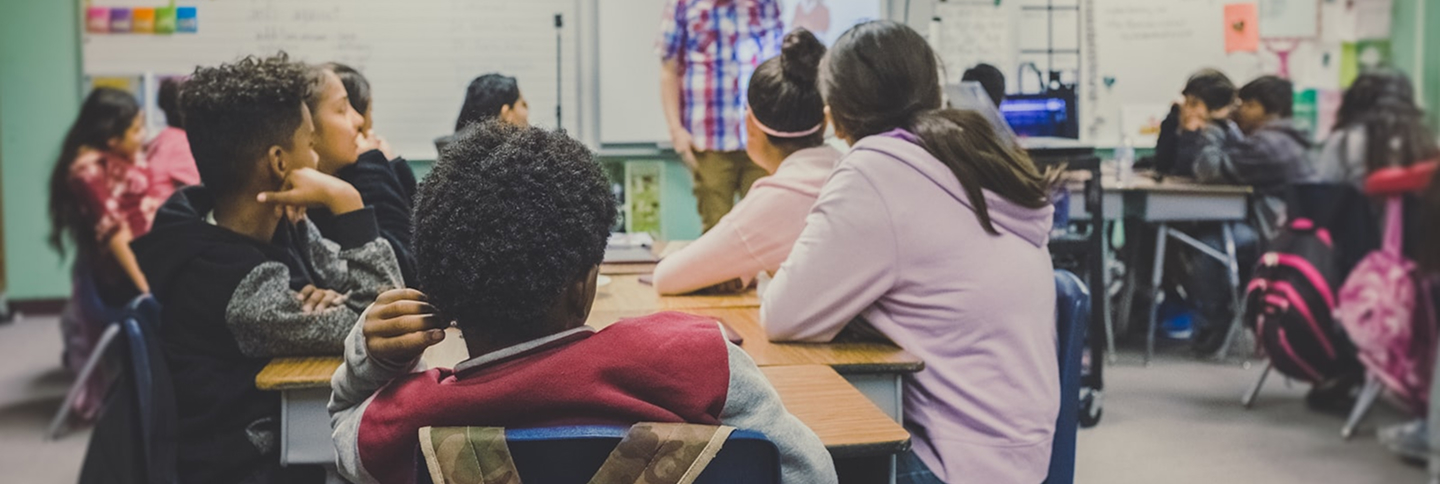
Our literacy team spent a year studying what happens when teachers carve out fifteen minutes a day to read aloud to seventh and eighth graders. The results surprised everyone — including the skeptics.
Florida statutes have specific laws and guidelines regarding the use of video cameras in public schools and individual student privacy rights under the Family Educational Rights and Privacy Act (FERPA).
.jpg)
Free/Reduced lunch status DOES NOT carry over from year to year. All new and returning families MUST apply each year. Please go to the Parent Tab/School Information to apply for the 2025-2026 school year.

All families must complete volunteer hours- 20 hours per school year for one child in attendance; 30 hours per school year for two or more children in attendance. There are numerous ways throughout the school year to earn hours, including donating uniforms your child has outgrown. You can speak to your child's teacher or the office staff to learn of other opportunities.
The uniform policy and the links to All Uniform Wear are under the Parents section tab/School Information. We do offer used uniforms for sale and uniform gift cards for those that qualify.
CSE has partnered with Dell to provide brand new student and teacher laptops for everyone!
2025-2026 Calendar at a Glance now available

Check back for updates on orientation and other school information throughout the summer!
Transportation is FREE. If you would like to register, or if you have any questions, go to the "Parents Tab/School Information".
Open from 7:30 am to 6:00 pm. To register, go to the "Parents Tab/School Information" section. Please note- there is no Morning/Aftercare on early release days; Teacher Planning days; or other days with no school. For assistance on those days please visit the Boys and Girls Clubs with which we have a partnership
2025-2026 Broward County School Calendar

Please see the information for transportation for Ft. Lauderdale families for the up-coming 25-26 School Year
We are updating our records for the upcoming school year so please ensure that we have your correct address, phone number and email address. In addition, we would like to know your intent to return to CSE so that we may determine the available spaces for siblings and new students. CSE will ensure our Ft. Lauderdale families may transition smoothly to our Davie site and will be enrolled automatically.
A joint Charter School of Excellence Yearbook highlighting all the fun memories we have shared this year is currently being compiled! Yearbook sales will run through April 11th, 2025 and will cost just $20.00! All purchases must be completed through the vendor's website (see the link below) using the following code: 727606
The Charter School of Excellence offer FREE morning care from 7:30 a.m. to 8:15 a.m. and FREE academic enrichment from 3:00 p.m. to 6:00 p.m.
Cheetah Chatter is the monthly newsletter for students and families of CSE.
The Charter School of Excellence offer FREE morning care from 7:30 a.m. to 8:15 a.m. and FREE academic enrichment from 3:00 p.m. to 6:00 p.m.
You may be interested in the International Studies Academy located in Hollywood. See below for some FAQ's about the school and click the link to the school's website.
Families are asked to complete 20 volunteer hours each school year. If you have not, please contact your child's teacher for ways to complete them.
Please Contact the office if you are interested in transportation for your child or have any questions or concerns about it.